Portrait
Kristian Hennings
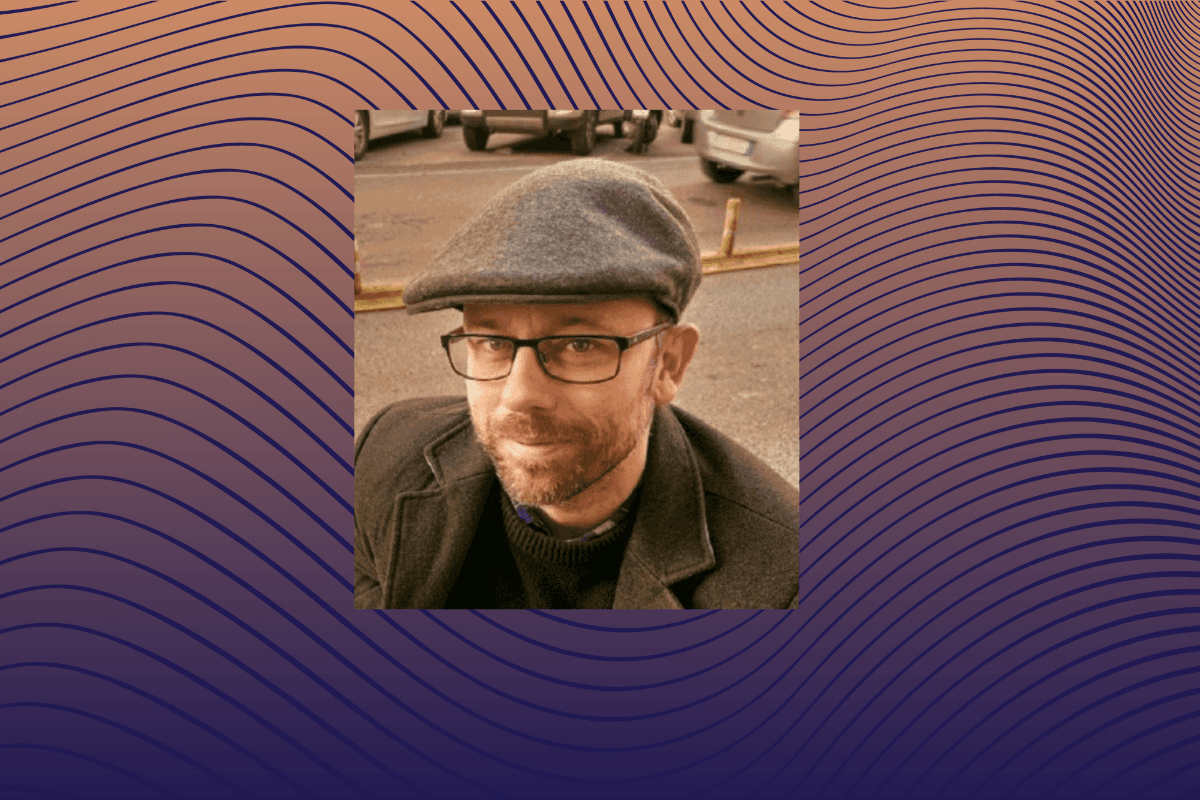
Portrait
Kristian Hennings
Portrait
Portrait
After my Ph.D. I started on a classical academic career path, predominantly working with Computational Neuroscience. However, after marrying and getting my first child, I got tired of the constant competition, stress, and uncertainty/temporary positions, and I left academia for a position at Terma.
At Terma, I was allowed to do all the research I wanted in my spare time, which significantly increased my research output. After 4 years, that research allowed me to return to AAU as an Associate Professor.
At AAU, I met with my old PhD supervisor, who had an idea for a novel method for gait rehabilitation of stroke patients, which intrigued me. This meeting resulted in me raising funds from investors to establish a spin-out company (Nordic NeuroSTIM), of which I became the CEO.
My team and I took this method from an idea to a Class II medical device in the following two years. Once it was on the market, I was thanked for the speedy development at budget by the investors, something they hadn't seen before, and then promptly fired to make room for a commercial CEO.
After that, I swore that I would never again work at a place that could fire me, and I created my own company (Inventors' Way). Initially, we did consulting within medical devices. Today, we make equipment and software for neuroscience research (labbench.io).
What do you use from your PhD education/training?
Everything! My company makes equipment, software, and protocols for research studies and clinical trials. I have essentially succeeded in creating a job that involves all the fun parts of academia while leaving most of the questionable parts behind.
Did you miss something during your PhD?
Maybe. I didn’t have time to miss something. Those years were as good as any other time of my life. So, it was worth it!
Do you find that a PhD degree is a good starting point for a career outside academia?
I have learned that imposter syndrome is a real thing. You don't realize how much you learn during the PhD. The discipline, ability to learn, and self-motivation required to do PhD are a tremendous advantage outside academia.
Facts about Kristian Hennings